Lisa Kiley – April 2020
Originally published in Horsemen’s Corral Magazine – link to magazine
On the Fence – Part 4 of 4
Fencing Maintenance
Now that you have gotten your fence installed and your
horses are happily enjoying their new pasture, it’s time to think about
maintenance and upkeep. No matter what
style of fencing you have chosen, there will always be some maintenance that
needs to be done to ensure that the fence will meet your needs for years to
come.
Save Your Product Info
– If you have information from products, installation manuals and receipts, save them so you can easily re-order additional product as needed. Installation manuals can also help if you need to do repairs in the future. When using splicing materials to fix a fence it is advisable to use the recommended components from the dealer or manufacturer. Review warranty information on your fence materials. Make sure that when you are doing maintenance, you don’t do something that would void the product warranty.
Keep an Eye on It
– When it comes to keeping fence in working order, your best defense is vigilance. Walk, drive, or ride your fences often to see what areas may need some attention. Make this a regular part of your schedule (at least once a week). Always check fencing after high wind, storms or ice. When you walk the lines, you are more likely to see wear or damage that wouldn’t be visible if you just looked across the field at it. Taking care of small damage quickly will save time and money in repairs down the line.
Ground Control
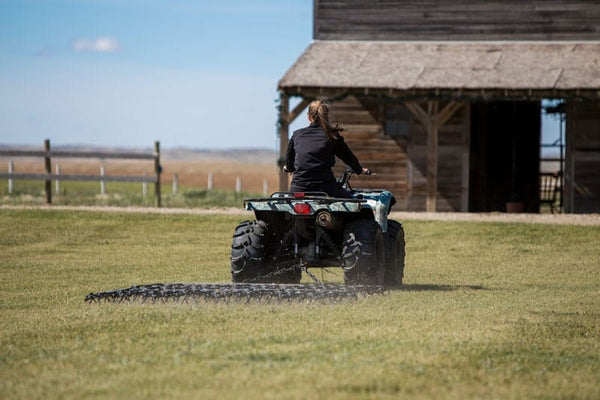
– Maintaining fence lines should involve regular ground maintenance including keeping the weeds and grass trimmed under fencing. It’s essential to keep electric fence working properly and makes it easier to see issues with fencing of any kind. Spraying fence lines with an herbicide can be used to keep overgrowth at bay. Be sure to carefully adhere to label instructions to protect your animals from potential dangers associated with these types of products.
Clean-up Crew
– Painted wooden fences may need to be painted every 5- 7 years. Prior to painting, they should be cleaned with a power washer. Vinyl fences may also need to be power washed to keep them looking good. It’s not just about appearance, dirty or scum covered posts and rails can compromise the integrity of the fence over time. Be sure to use gentle cleaners and avoid anything that is harsh or abrasive, it may damage your fence.
Checking the Charge
– For electric fencing, check to make sure the fence charger is supplying enough charge to deter livestock from pushing on the fence. Check the fence in several different areas using a voltmeter that is appropriate for fence testing. If you see large fluctuations or no power, trace your installation back to the charger to find where the issue lies. If you decided to put your fencing up in phases, it’s time to start thinking about your next project. You may want to give yourself some time to see how the fencing you originally selected meets the needs of your herd. If you get other livestock or the nature of your herd changes, it may require different fencing styles to meet those needs. Most equine properties employ more than one style of fencing in different areas, so don’t be afraid to try different options and put together the best system that will work for your property.