

by Lisa Kiley – Published in Saddle Up Magazine May 2022
In the last couple months, we have discussed the different ways you can build your stalls from the ground up and the basics of choosing materials. This month we are going to look at some of the accessory options that will make the stalls function best in your facility. While the basis of the stall might be three walls and a stall front, there are so many other features that can go into the design that can add convenience, increased ventilation, and socialization. It is worth it to think through some of these options to make your horse’s life better and your life easier.
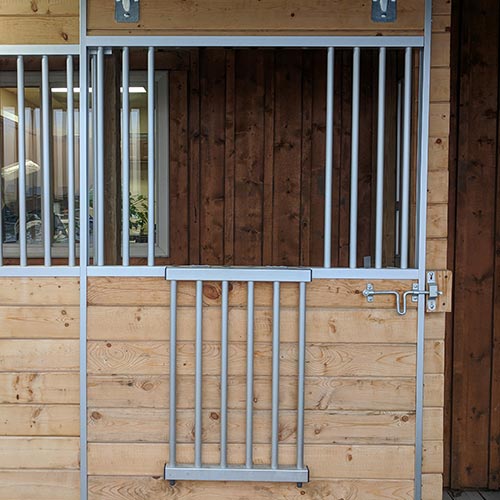
Drop Down Doors – This option effectively combines the form and function of both a standard sliding door and a stall gate into one easy option. Installed within the grill of the stall door, the drop-down feature allows you to choose when you would like to let your horse socialize or close it when you want to keep them from putting their head in the aisleway. It also doesn’t allow the horse to get too close to the edge of the stall which can help prevent over involvement with the horses next door because the opening is in the middle.
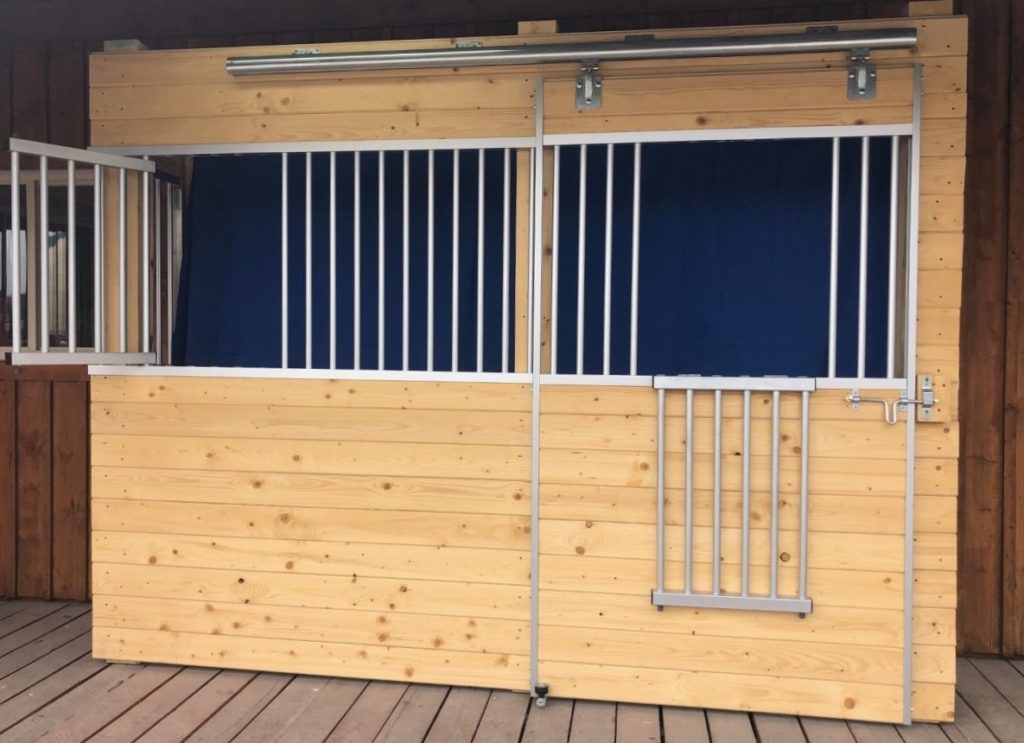
Swing Out Feed Door – The swing out feed door allows you to feed both grain and hay through this opening. Some styles also allow for a corner grain and or hay feeder to be added to the swinging door to allow for easy feeding of grain and hay without entering the stall, which can be a great time saver and in some cases a safety feature. If there is no feeder attached to the window, the bar section can be tied back and allow the horse to put their heads out for socialization and added ventilation.
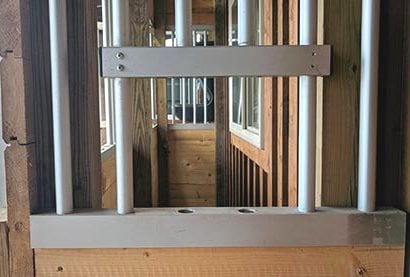
Scoop Size Feed Opening – The feed opening is simply an opening in the corner of the stall that allows for easy feeding of grain from the outside of the stall to an interior corner feeder. The design is made in such a way that you can get the grain into the stall without the opening being so large that the horse could accidentally get their head caught in the space. This is perfect if you feed grain in a corner feeder or wall mount, but use a different method for feeding hay, like a ground feeder and/or slow feeder.
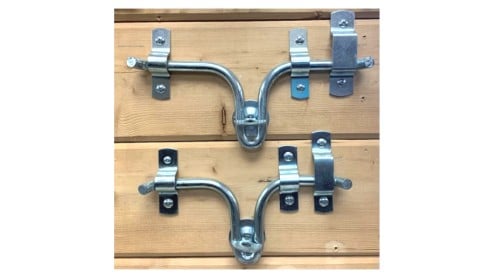
Latches – Latching style is important to the overall function of the stall and the capability to keep the horse contained. The latching system should be secure with an easy working locking mechanism. It should be free of sharp edges, have a way to lay flat without excess protrusion, and open and close smoothly. Having a spring system attached to the latches will help it pull back into place. A latch that sticks out beyond the door can pose a safety risk for the horse and should be avoided.
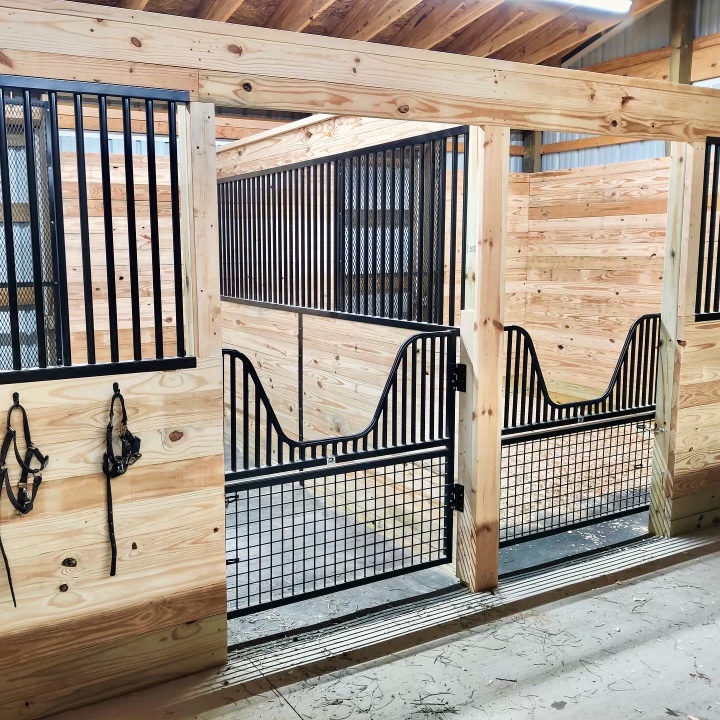
Stall Gates – Stall gates are a great way to offer your horse more ventilation and socialization than they would receive with a standard door set up. They can be both durable and aesthetically pleasing. While Dutch Doors are used on the exterior stall wall for access outside, stall gates are best used for interior stall openings. Make sure that you are getting the right size for your opening, most stall gates are about 52” wide. Often, they are offered in full and half lengths which you can select based on your horse’s behavior and size.
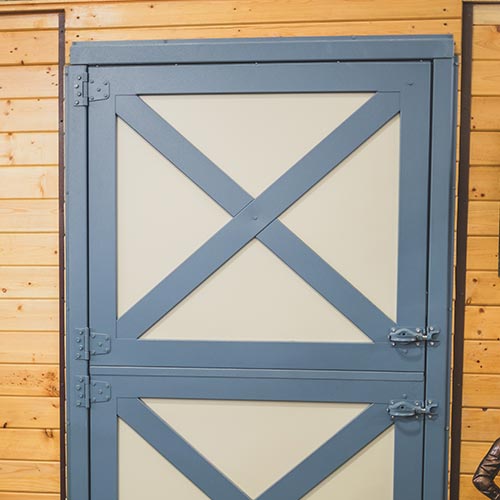
Dutch Doors – Dutch doors are iconic and the dream of most barn owners when they have their horses at home is to look out the window and see their horses head out the top half of the door looking back at them. Dutch doors are aesthetically pleasing, but they often offer the opportunity for the horses to gain more ventilation, socialization, and are a great way to access outdoor runs or pastures. Look for heavy duty options that can stand up to the weather and last for years to come. There are usually a variety of different color options to add some flair and distinction to your barn exterior.
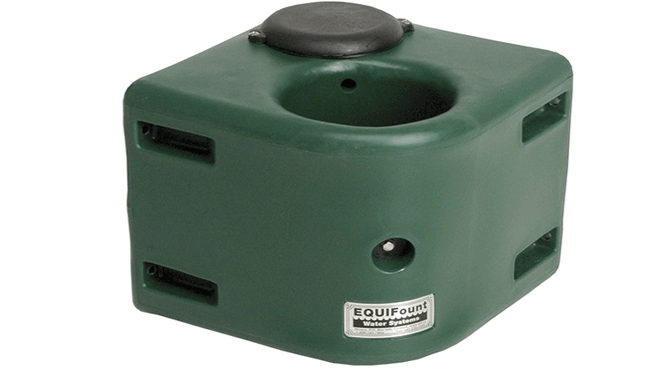
Automatic Waterers – While adding stalls to the barn, it is a great time to think about adding an automatic water system to each of the stalls. Automatic waterers can be a huge time saver in the day to day, they can also keep water more consistently in front of your horse. Just imagine not worrying about struggling with freezing hoses or hoisting buckets down the aisleway. Automatic waterers can keep your horse’s water supply consistent, keeping water cool in the summer and frost free in the winter. Installing during initial construction is ideal, but this project can also be retrofit into any stall.
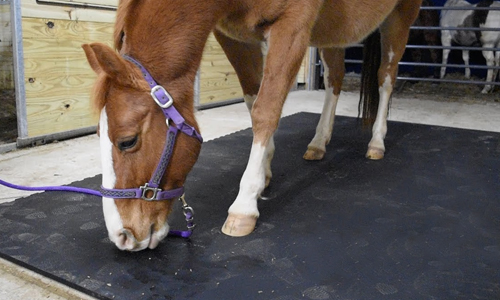
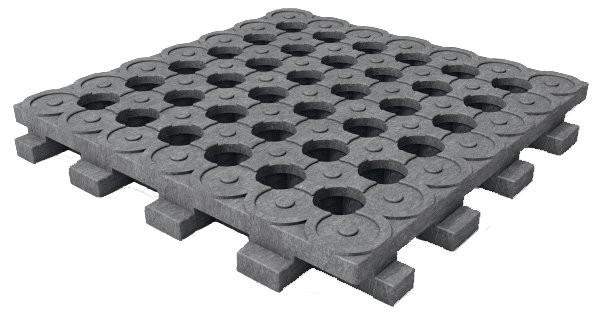
Stall Mats – While we have spent plenty of time talking about the stall walls, the flooring is just as important. Having level flooring that allows for drainage beneath is a great start but adding a layer of rubber mats on top of the flooring will give horses more support and lead to savings on the bedding costs over time. Mats can be purchased in several different sizes and styles, but the most popular is the 4’x6’x3/4”.
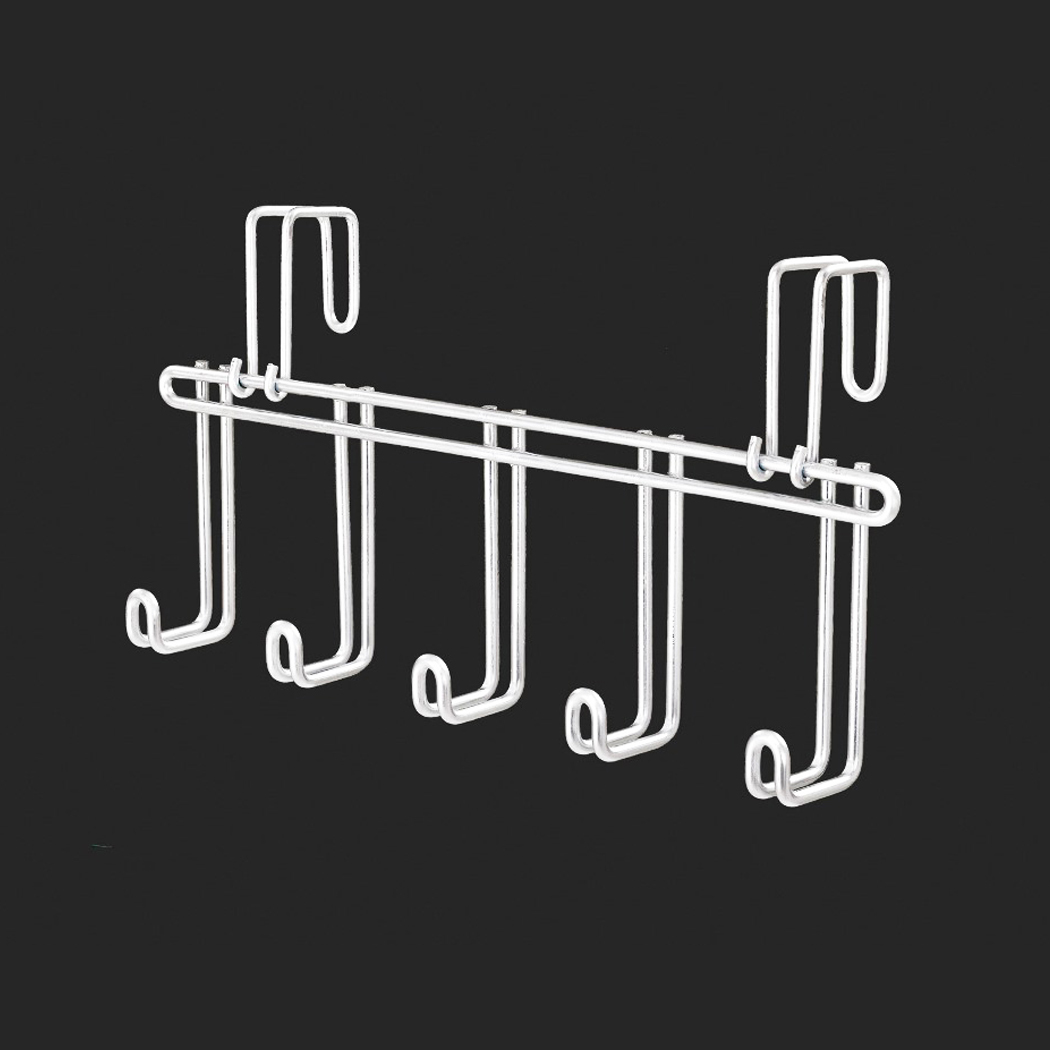
Blanket Bars, Bridle Hooks and More – Organization is important, especially if you have more than a couple horses. One way to keep things tidy is to position a blanket bar on each stall front to keep blankets and sheets handy. Bridle hooks can be found in styles that range from functional to fancy. Place your hooks out of reach of your curious equines or you may find your halters and leads on the floor or chewed up in the back corner of their stall. There are also many other accessories that you can put on the stall to make day to day chores and activities easier, just make sure that the area in front of the stall doesn’t get too cluttered which can make it difficult to move around and pose a safety risk to you and your horse.
Hopefully some of these ideas will help in the planning of your next stall project. If you have any additional questions about stall installation, give us a call.